The
mediocre teacher tells.
The
good teacher explains.
The
superior teacher demonstrates.
The
great teacher inspires.
-William A. Ward
How many people can remember their favourite
teacher? Whether they did not give as much homework, never underestimated your
abilities, assigned fun projects etc., each person will remember all the
wonderful traits of this teacher. However, so often when we think back to our
schooling, the stories we all tell are the bad stories. The teachers that were
awful, the teachers that made us cry and left a bad impression on us, or the
teachers that were rude. It is those teachers who have shaped peoples
perspective on education. So, the question is, how do we engage students in
education to make them appreciate learning and gain an in-depth understanding of
the 21st century?
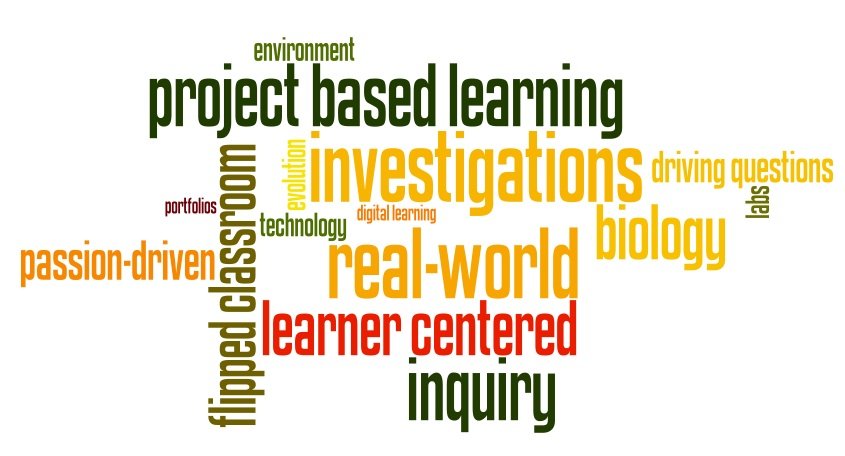
The answer lies in project-based learning. Project-based
learning is a more comprehensive approach that is grounded in constructivist
learning, content mastery, and critical thinking (Drake, Kolohon, & Reid, 2014). Students will gain the skills and knowledge for real world applications. PBL follows the guidelines of 21st century skills such as inquiry, research, critical thinking and problem
solving, organization, collaboration, and communication. How would our classrooms look if each one was centred around PBL? The teachers role shifts from from a director to a facilitator. In
doing so, students become critical thinkers, problem solvers and social,
physical and cognitive learners. This student-centered approach, which includes small group work,
student collaboration and teamwork, will ultimately present students with a more holistic and
educative experience. With this meaningful, purposeful and authentic learning
model, students will gain a more comprehensive experience in their education classes.
Retrieved from: https://www.youtube.com/watch?v=LMCZvGesRz8
Here are the key elements of PBL:
- Key Knowledge, Understanding, and Success Skills
- Challenging Problem or Question
- Sustained Inquiry
- Authenticity
- Student Voice & Choice
- Reflection
- Critique & Revision
- Public Product
 |
| Retrieved from: https://21centuryedtech.files.wordpress.com/2010/01/pbl.jpg |
I would love to hear your thoughts about this 21st century way of teaching. Do you think we should be implementing this into all classrooms? Will it work for all students?
References
Drake, S., Kolohon, W., & Reid, J. (2014) Interweaving
curriculum and classroom assessment: Engaging the 21st Century
Learner. Don Mills, ON: Oxford University Press.
Jha, R. (n.d.). 23 Defining Traits Of Your Favorite Teacher.
Retrieved October 6, 2015
Parker, I. (n.d.). How a TEDx Mission Makes Learning Relevant To
Students' Lives. Retrieved October 6, 2015.
Why Project Based Learning (PBL)? (n.d.). Retrieved
October 6, 2015.
Take care,
EJD